Posted by Natalia Kolomiets
on May 17, 2021

Updated in October 2026
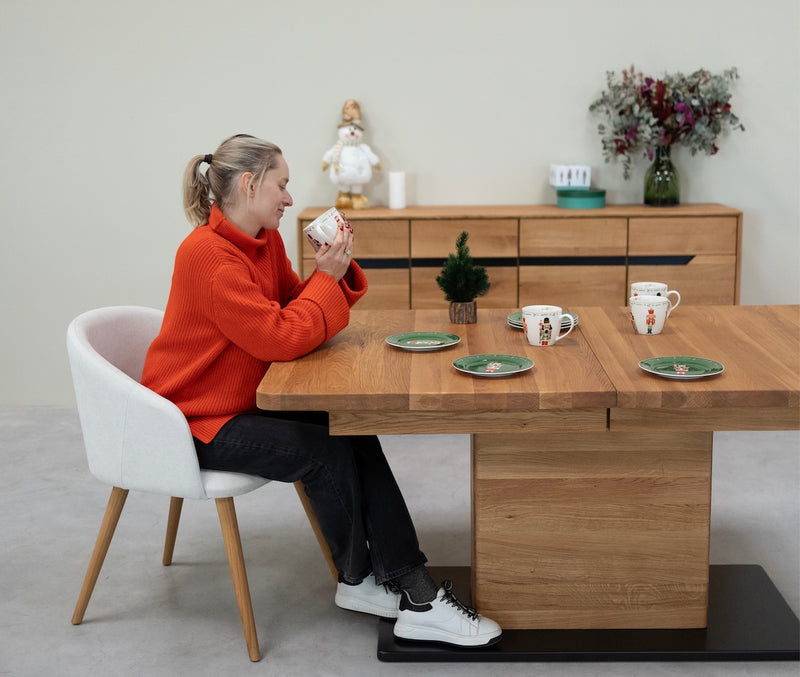
Quick answer: The most commonly used colors for wooden furniture are light oak, natural oak, walnut, cherry, and dark tones like wenge. In 2026, the trend will be toward light and medium-toned woods with visible grain and a matte finish. To pair them: light wood with off-white, sand, or sage green walls; medium-toned wood with terracotta or olive walls; dark wood with light-colored walls.
The color of a piece of wooden furniture defines the atmosphere just as much as the color of the walls. Light oak brings light and a sense of spaciousness; walnut or cherry wood adds warmth and a more classic feel.
In this guide, we'll take a look at the main wood colors for furniture, which shades are trending, how to choose the right one for each room, and which wall colors and other furniture colors go well with each one.
Summary
- Main finishes: light and natural oak, honey oak, walnut, cherry, and dark woods.
- 2026 Trend: Light and medium-toned woods, visible grain, and a matte finish.
- Light wood: off-white, sand, sage green, or soft blue walls.
- Dark wood: light-colored walls and accents in bottle green or burgundy.
- You can mix wood tones if you repeat each one at least twice.
Contents
Wood Colors for Furniture: The Main Shades
The color of a piece of wooden furniture depends on the type of wood and the finish. These are the most common shades:
| Tone | Common Types of Wood | Effect on the stay |
|---|---|---|
| Very light / bleached | Bleached oak, ash, birch | Plenty of light, Nordic style |
| Natural light | Natural oak, beech | Bright and warm, it goes with everything |
| Medium / honey | Oiled oak, weathered pine | Cozy, rustic style |
| Reddish | Cherry, mahogany | Classic and elegant |
| Dark | Walnut, wenge, smoked oak | Sophisticated—it calls for light-colored walls |
The finish also changes the color: oil deepens and warms the tone, while a clear varnish or white wax keeps it lighter. For more details, see our guide to types of wood finishes.
Modern Wood Furniture Colors: 2026 Trends
- Light and medium-toned woods: Natural oak remains the most sought-after wood color due to its versatility.
- Visible grain and a matte finish: natural surfaces are preferred over glossy and lacquered finishes.
- Walnut as a focal point: a sideboard or table in a dark shade to contrast with light-colored walls.
- Colored wood: wooden furniture painted in sage green, dusty blue, or black, especially on the legs, fronts, or small pieces.
- Combining wood tones: two different types of wood in the same room, such as light oak and walnut.
If you're interested in colored wooden furniture, you'll find specific ideas under " colored wooden tables."
How to Choose the Color of Wooden Furniture
- Natural light: In small or north-facing rooms, light-colored wood is best; in bright rooms, you can use dark tones.
- Flooring: Look for contrast. On light-colored flooring, medium- or dark-colored furniture stands out; on dark flooring, light wood works best.
- Style: Nordic with light oak, rustic with honey tones, classic with cherry or walnut.
- Usage: Light-colored wood hides dust better; dark-colored wood hides small scratches better.
If you're unsure, natural oak is the safest choice: it goes well with almost any wall color. Discover the benefits of light-colored furniture.
Colors That Go Well with Wood: Walls and Textiles
Here are the wall colors that work best with each shade of wood:
| Wood | Wall Colors | Accents |
|---|---|---|
| Light or natural oak | Off-white, sand, greige, sage green, soft blue | Black, dark green, terracotta |
| Honey Oak or Pine | Off-white, warm beige, olive green, soft terracotta | Mustard, rust |
| Cherry Tree | Warm white, beige, sage green, stone gray | Navy blue, bottle green |
| Walnut or dark woods | White, light sand, warm gray | Bordeaux, bottle green, brass |
A useful rule of thumb for balancing colors is the 60-30-10 rule: 60% base color on walls, 30% on furniture and textiles, and 10% for accents. For oak furniture specifically, check out the perfect color palette for oak furniture.
Wood Furniture Colors by Room
- Living Room: Natural oak for the TV stand and sideboard, with walls painted in warm neutral tones. To add depth, a piece made of walnut.
- Bedroom with dark furniture: Paint the walls off-white, beige, or a light grayish blue so the room doesn't feel cramped.
- Bedroom with light-colored furniture: works well with soft greens, dusty blue, or a terracotta accent wall behind the bed. Color ideas for dressers in colors that are ideal for wooden dressers.
- Dining room: a natural oak table with chairs in the same shade or in black; walls in earth tones or olive green.
- Kitchen with brown cabinets: white or off-white walls and soft green accents.
How to Combine Different Wood Colors
Mixing different types of wood adds richness, as long as it's done intentionally:
- Choose one main color (the floor or the largest piece of furniture) and no more than two secondary colors.
- Aim for a clear contrast: a midtone that's too similar to the main color looks like a mistake; it's better to use light with dark.
- Match the undertone: pair warm woods with warm woods (oak, cherry) or neutral woods with neutral woods.
- Use each color at least twice in the room—for example, on the table and a picture frame.
- Use a rug to separate the floor from the furniture when both are made of wood.
Frequently Asked Questions
What are the most commonly used wood colors in furniture?
Natural oak and light oak, followed by walnut, cherry, and dark tones such as wenge. Natural oak is the most versatile.
What colors of wooden furniture are trending in 2026?
Light- and medium-colored woods with visible grain and a matte finish, walnut used as focal points, and wooden furniture painted in soft shades of green and blue.
What colors go well with oak wood?
Off-white, sand, greige, sage green, and soft blues on the walls; black, dark green, or terracotta as accents.
What colors go well with cherry wood?
Warm white, beige, sage green, and stone gray, with accents in navy blue or bottle green.
What color should I paint the walls of a bedroom with dark furniture?
In light colors: off-white, beige, or a soft grayish blue. This makes the room feel brighter and lets the furniture stand out.
Can you mix different colors of wood?
Yes. Choose one main shade and one or two secondary shades with a clear contrast, all with the same undertone, and repeat each one at least twice.
Natural Oak: The Wood Color That Goes With Everything
Natural or bleached oak to suit any color palette.
Tags:
Decor and Ideas