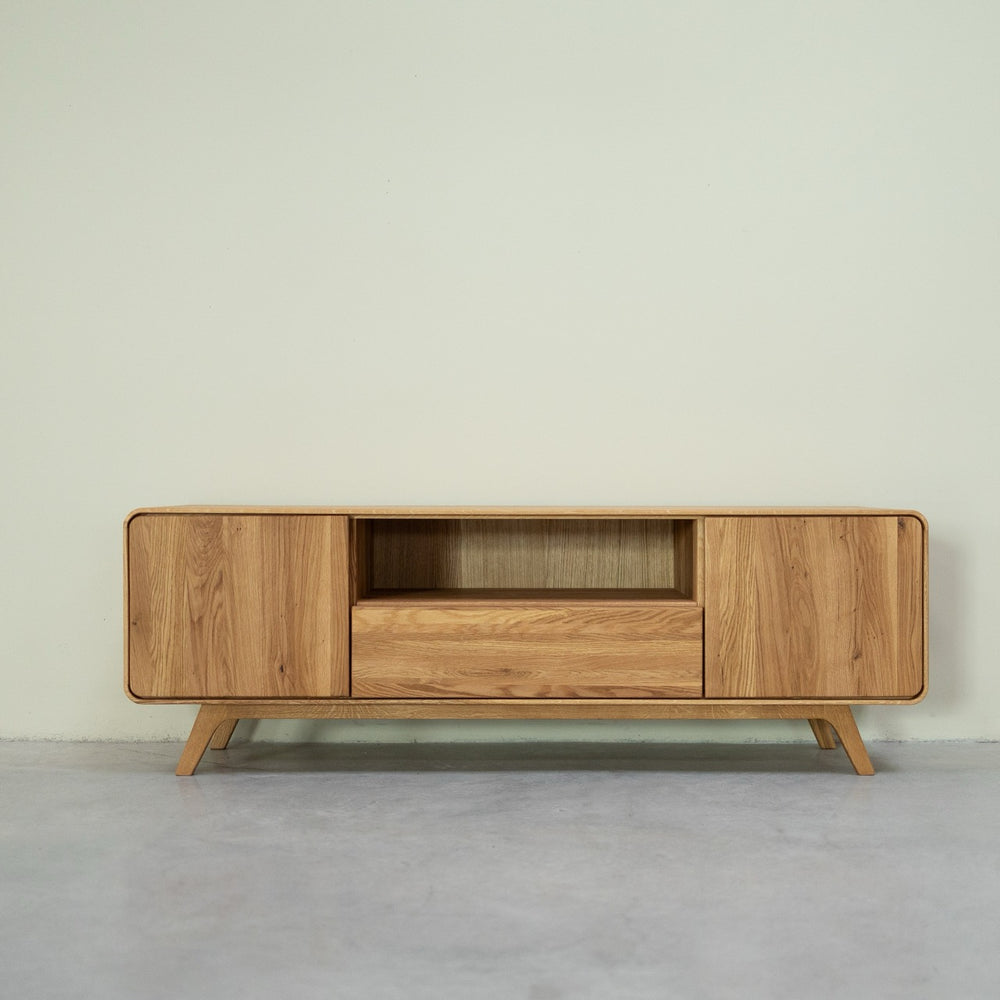
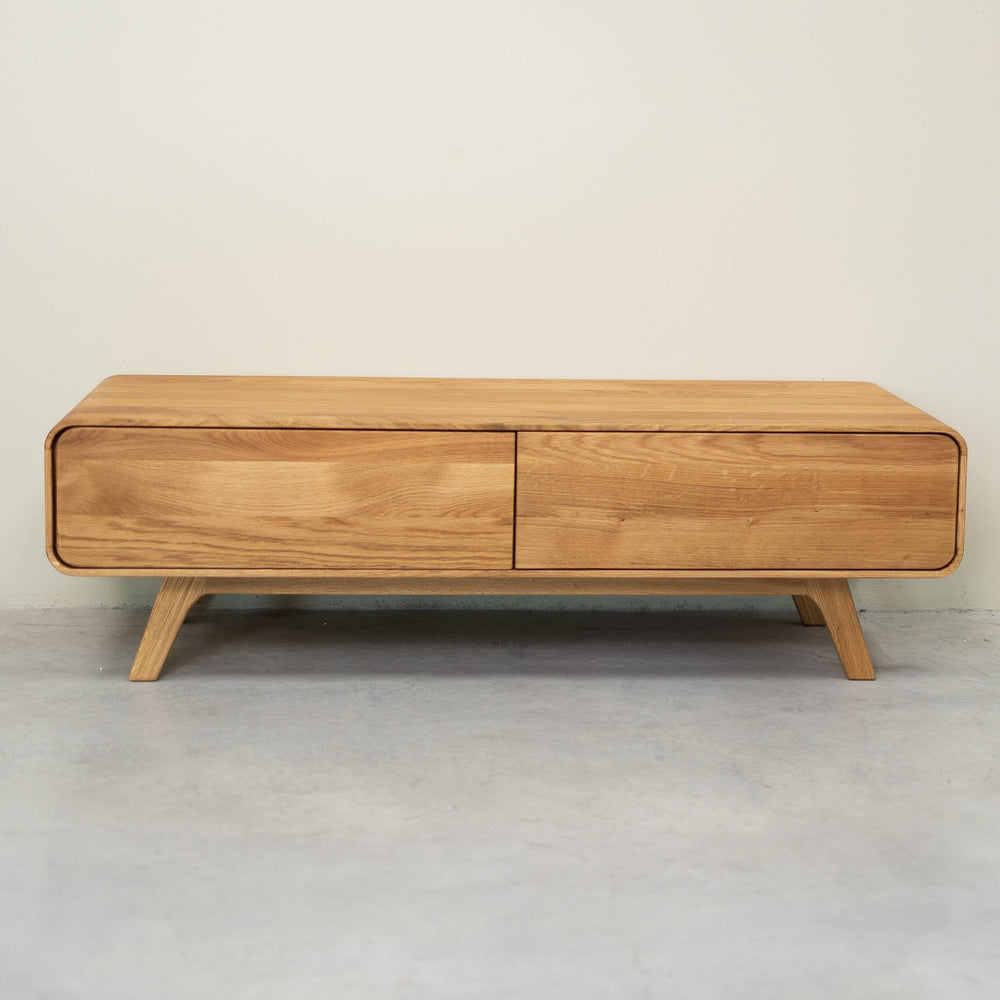
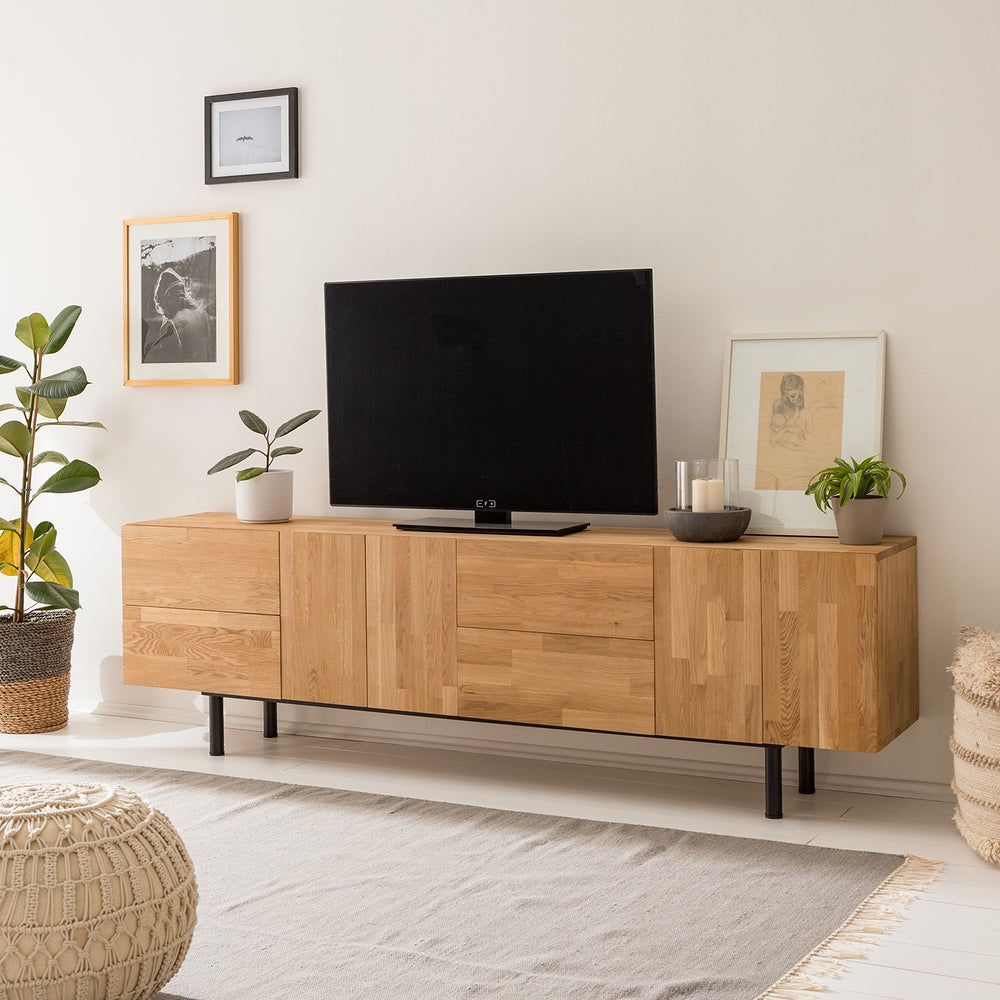
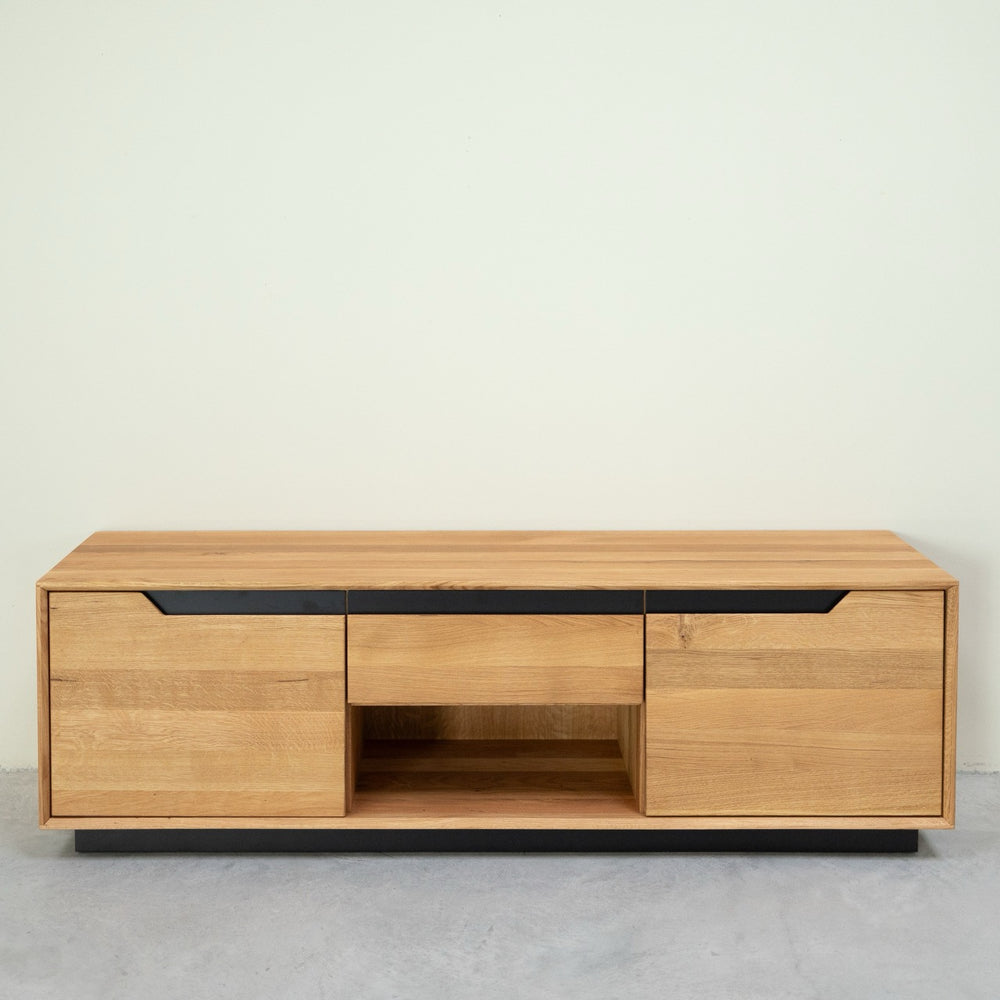
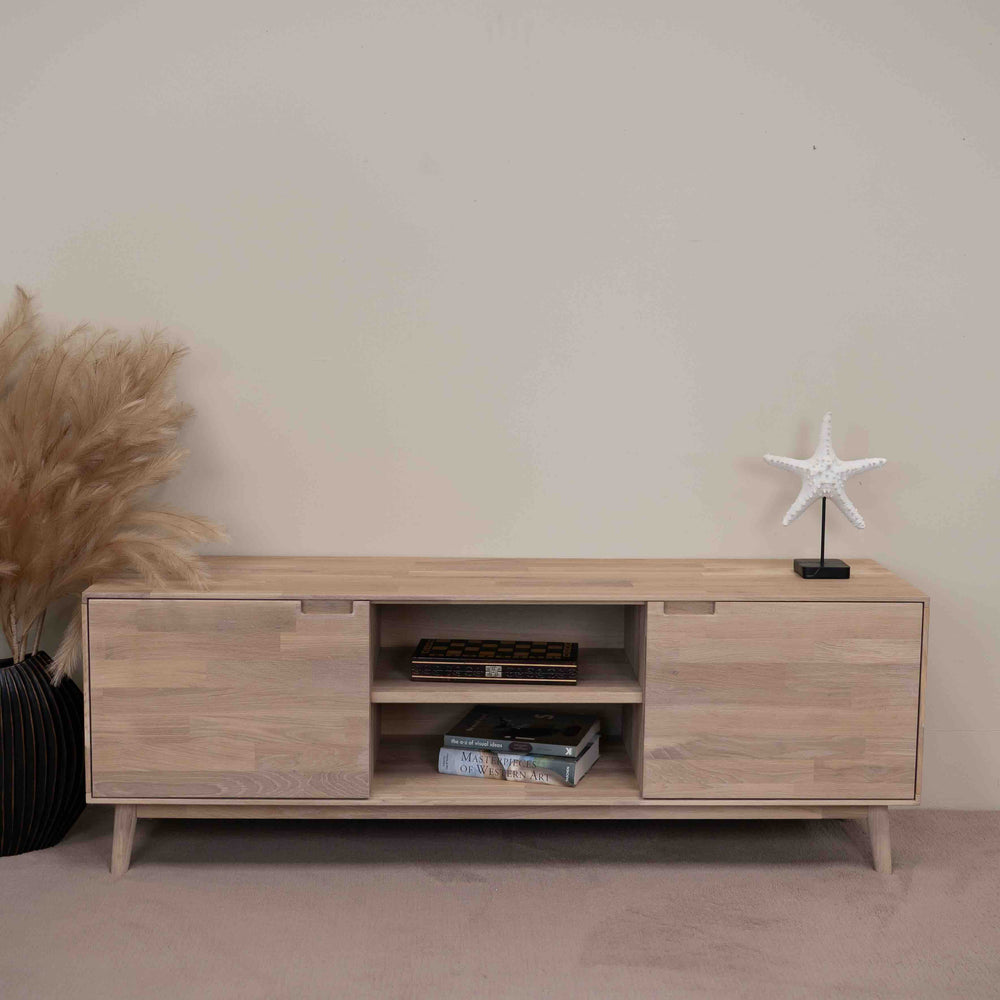
19 products
19 products

 Spain
|
EUR
€
Spain
|
EUR
€
You are currently shipping to Spain and your order will be invoiced in EUR €.
 Germany
EUR
€
Germany
EUR
€
 Andorra
EUR
€
Andorra
EUR
€
 Austria
EUR
€
Austria
EUR
€
 Belgium
EUR
€
Belgium
EUR
€
 Czech Republic
EUR
€
Czech Republic
EUR
€
 Cyprus
EUR
€
Cyprus
EUR
€
 Croatia
EUR
€
Croatia
EUR
€
 Denmark
DKK
kr.
Denmark
DKK
kr.
 Slovakia
EUR
€
Slovakia
EUR
€
 Slovenia
EUR
€
Slovenia
EUR
€
 Estonia
EUR
€
Estonia
EUR
€
 Finland
EUR
€
Finland
EUR
€
 France
EUR
€
France
EUR
€
 Gibraltar
EUR
€
Gibraltar
EUR
€
 Greece
EUR
€
Greece
EUR
€
 Hungary
EUR
€
Hungary
EUR
€
 Ireland
EUR
€
Ireland
EUR
€
 Isle of Man
EUR
€
Isle of Man
EUR
€
 Italy
EUR
€
Italy
EUR
€
 Latvia
EUR
€
Latvia
EUR
€
 Liechtenstein
EUR
€
Liechtenstein
EUR
€
 Lithuania
EUR
€
Lithuania
EUR
€
 Luxembourg
EUR
€
Luxembourg
EUR
€
 Malta
EUR
€
Malta
EUR
€
 Morocco
EUR
€
Morocco
EUR
€
 Monaco
EUR
€
Monaco
EUR
€
 Norway
EUR
€
Norway
EUR
€
 Netherlands
EUR
€
Netherlands
EUR
€
 Poland
EUR
€
Poland
EUR
€
 Portugal
EUR
€
Portugal
EUR
€
 United Kingdom
EUR
€
United Kingdom
EUR
€
 Romania
EUR
€
Romania
EUR
€
 San Marino
EUR
€
San Marino
EUR
€
 Sweden
EUR
€
Sweden
EUR
€